
What the World's Latest HIV Data Tells Us
Every year, the World Health Organization (WHO) releases its World Health Statistics report, which is a global account of where the world stands on health, disease, and human flourishing. This year’s edition tells a story of hope and carries an urgent message for what’s still at stake for the global fight to end HIV/AIDS.
You can download Untold’s executive summary of the report here, which focuses on HIV/AIDS in East and Southern Africa.
The World Health Organization Report Overview
Most notably, the World Health Organization reported new HIV infections worldwide fell 40% between 2010 and 2024. In sub-Saharan Africa, that reduction was even more dramatic. New infections in those regions dropped 59% over that same period, contributing significantly to a life expectancy increase from 56.5 years to 62.3 years. This progress was only possible through ambitious goals and targeted interventions.
The UNAIDS 95-95-95 target is the global benchmark for ending HIV/AIDS as a public health threat by 2030. It aims for 95% of people living with HIV to know their status, 95% of those to be on treatment, and 95% of those to have achieved viral load suppression, meaning they are no longer at risk of transmission to others. Current global progress reports these numbers at 87%, 77%, and 73% respectively.
Much of this progress is credited to the expansion of antiretroviral therapy (ART) medication access and adherence. This is what physically allows men and women to live a life beyond AIDS— a longer and healthier life with a promising chance to flourish.
And yet, as of the end of 2024, over 40 million people worldwide were still living with HIV. There were over 1 million new infections in 2024 alone, and 630,000 HIV-related deaths that were completely preventable with access to the right resources. East and Southern Africa still carry a majority of this burden, with over 21 million people living with HIV/AIDS.
While we’re making progress against the HIV/AIDS epidemic, there is still so much work to do. Living a life beyond AIDS begins with getting the right resources to the right people. UNAIDS funding made this possible in years past, but significant cuts in program funding have already started to threaten access to ART medications. UNAIDS predicts that a sustained funding collapse could result in an additional 6 million new HIV infections and 4 million additional deaths by 2029. This prediction illuminates that the progress we’ve made requires continued, faithful investment on the part of us all.
Where We Serve
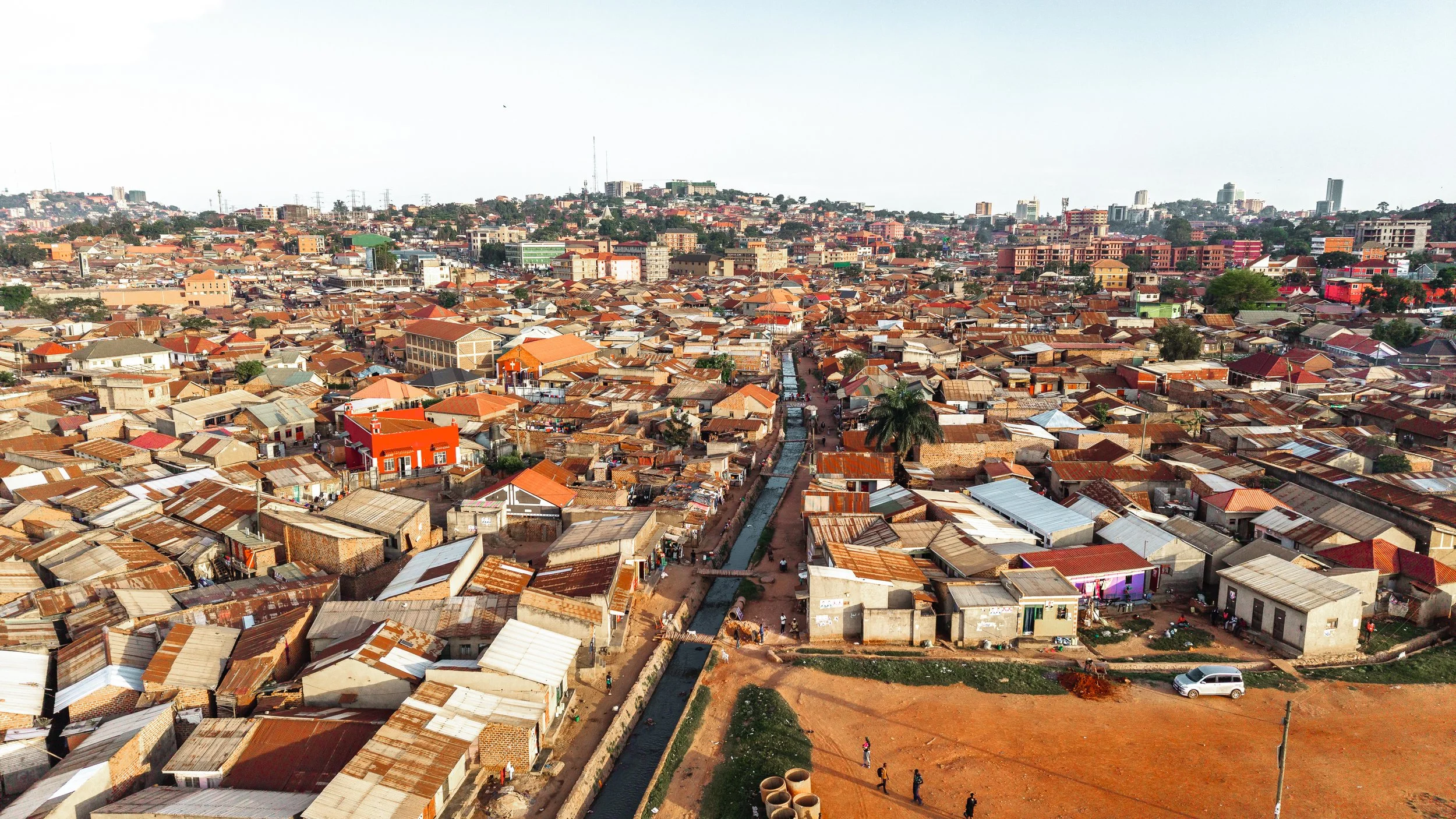
The global context of HIV/AIDS is central to the work of Untold. The WHO report gives us a clear picture of who is still being left behind. Even if the 95-95-95 targets are met globally, the last 5% — the most vulnerable, the most isolated, the most stigmatized — will still be outside the reach of most global programs. This is where Untold fits in. That last 5% is Untold’s focus population and where we’ve always believed our work belongs.
Our Beyond Measure Campaign doubles down on the same focus population and aims to provide even more targeted care throughout 87 communities across Kenya, Uganda, Tanzania, and South Africa. In March 2025, we graduated our 50,000th client. Those 50,000 graduates represent more than 140,000 dependent children who are growing up with parents who have experienced physical, emotional, spiritual, and economic transformation.
Holistic Approach to Care
The WHO Report tells an interesting story— ART medication has been, in many places, available at low or no cost and yet, people’s stories continue to end prematurely by AIDS.
These numbers confirm what we witness in Untold centers every day: medication is necessary, but it is not sufficient. A person needs a community to come back to and to believe deeply that their life has value. They need economic stability and assurance that they can provide for their families. They need spiritual hope in Jesus. They need radical acceptance and courage to disclose their HIV status to the people they love.
This is the work that can’t be captured in numbers. And it’s the work that Untold, through our holistic model and community-based approach, is positioned to do.
What's Ahead
The 2026 WHO World Statistics report is clear that the world is not on track to meet its goals by 2030 and yet, it also documents what faithful, sustained effort produces.
East and Southern Africa have reduced new infection rates faster than any other region in the world, and we believe that didn’t happen by accident. We are four years from the 2030 deadline and are rolling up our sleeves for all the work that is still before us: more differentiated care for Untold clients, widening partnership networks within the communities we serve, upskilling staff, and ultimately, embracing and equipping more men and women to live a life beyond AIDS.
We are grateful to everyone who is part of this work at Untold — clients, partners, and friends. Together, we are bearing witness to the incredible story God is writing in our lives.
Source: WHO World Health Statistics 2026: Monitoring Health for the SDGs. Published 13 May 2026. HIV data from UNAIDS/WHO estimates, 2025.
Full report: who.int/publications/i/item/9789240122482