
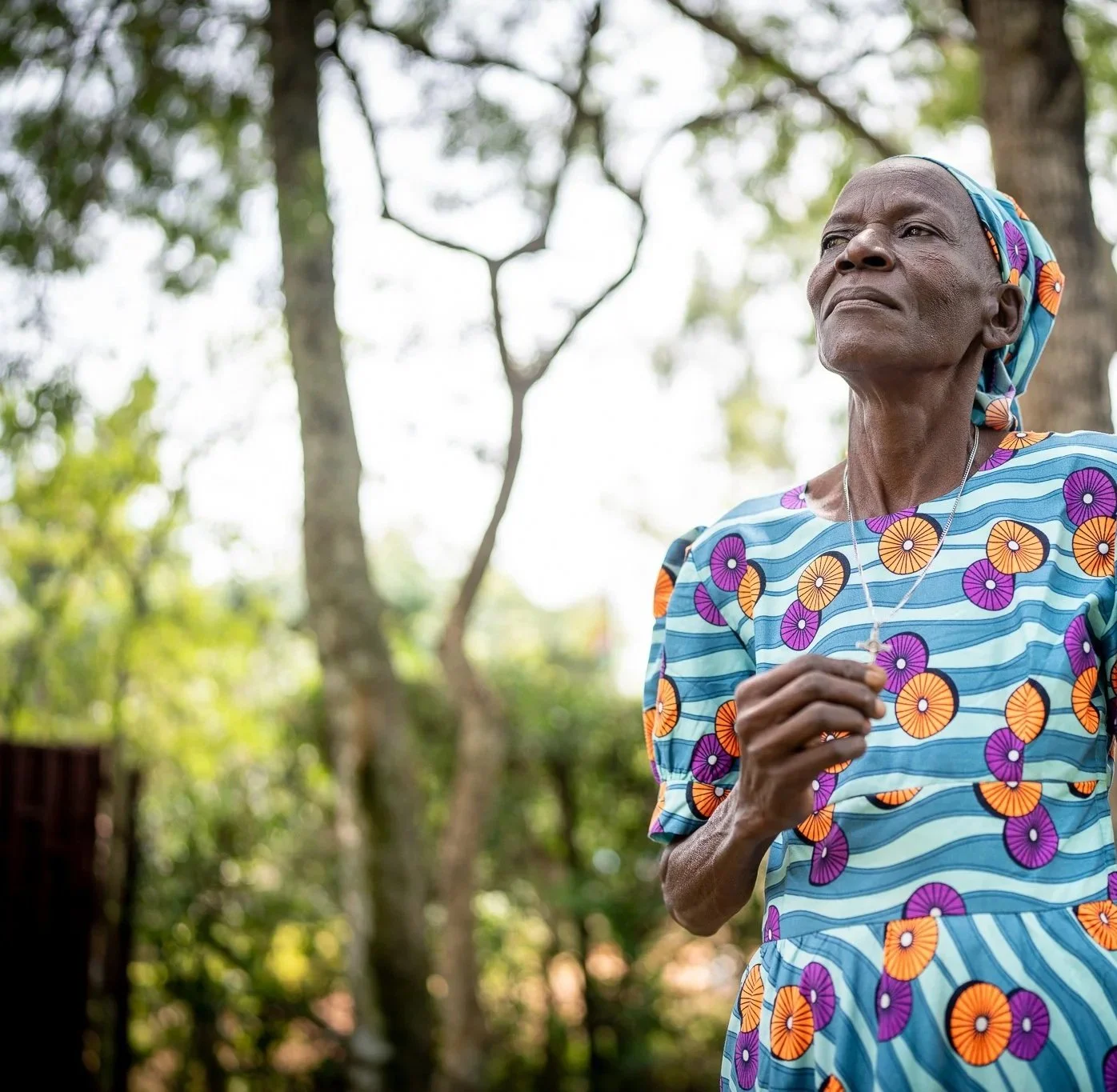
Stigma is more deadly than sickness.
HIV/AIDS is still devastating families and communities across the world because of stigma.
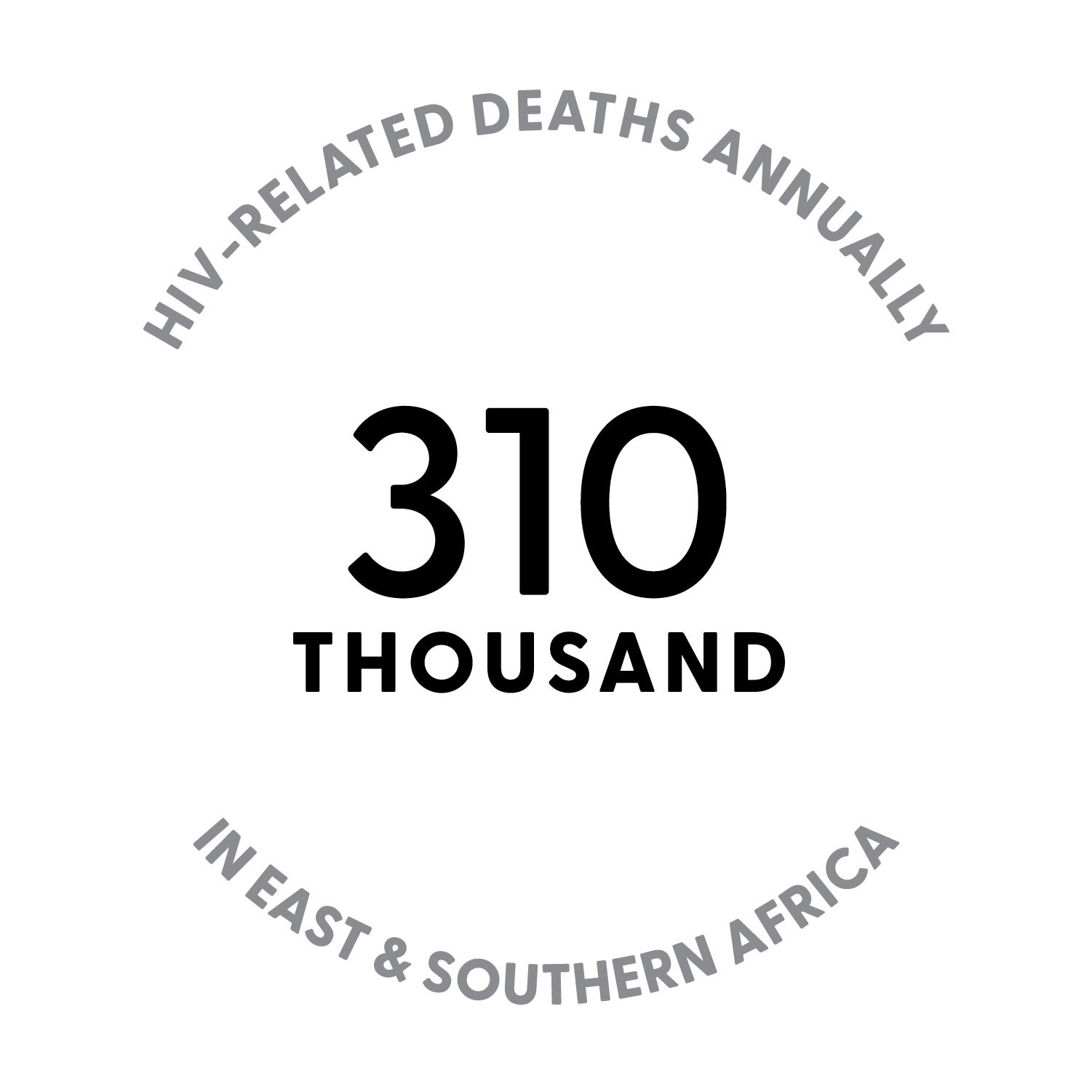
In Sub-Saharan Africa, AIDS has historically been a death sentence. Although medication is available globally, the stigma surrounding the disease prevents people from accessing life-saving care. Stigma also cuts people off from thriving communities, leaving families lonely, vulnerable, and spiritually devastated. In the regions where we work, we tragically still see hundreds of thousands of new infections and preventable HIV related deaths annually.


Barriers to Flourishing
HIV is typically just the tip of the iceberg. Men and women living with HIV face a unique set of barriers beyond the physical effects of the virus, each of which compounds the others. People living with HIV are three times more likely to experience significant mental health disruptions than the general population, and the treatment gap continues to widen for those living in material poverty.
Care isn’t reaching the people who need it most.
We believe that healing begins in the local church.
FAQs about HIV
-
HIV (Human Immunodeficiency Virus) is a virus that weakens the immune system over time, making it harder for the body to fight off infections. If not treated, it can lead to AIDS (Acquired Immune Deficiency Syndrome), the most advanced stage of the illness. Today, with proper medical care and social support, people living with HIV can stay healthy and live long, flourishing lives.
-
HIV can be transmitted during unprotected sex, through sharing needles, from mother to baby during pregnancy or birth, and through contaminated blood transfusions. You cannot contract HIV through saliva, sweat, urine, sharing food, or non-sexual physical contact with an infected person.
-
Viral load is used to describe the amount of HIV in your blood. Someone living with HIV can have an 'undetectable' viral load, meaning effective treatment has lowered the amount of HIV virus in their blood to levels where it cannot be detected by a blood test. Those who have an undetectable viral load cannot pass the virus to others.
-
Medication is typically free through the government in Sub-Saharan Africa, but without mental health support, social services, and education related to nutrition and medication adherence, HIV+ men and women are still at risk of opportunistic infection and premature death.