
Beyond Provision
Wherever you go in the world, parents tend to want the same things for their children — safety, love, a future worth growing into. That desire is remarkably consistent across cultures, income levels, and circumstances, and it's just as present in the informal communities of Nairobi, Kenya, as anywhere else.
Our clients who are parents are working hard, showing up for their children, and doing their best with what they have, and many of them are also quietly asking for more support in the work of parenting well.
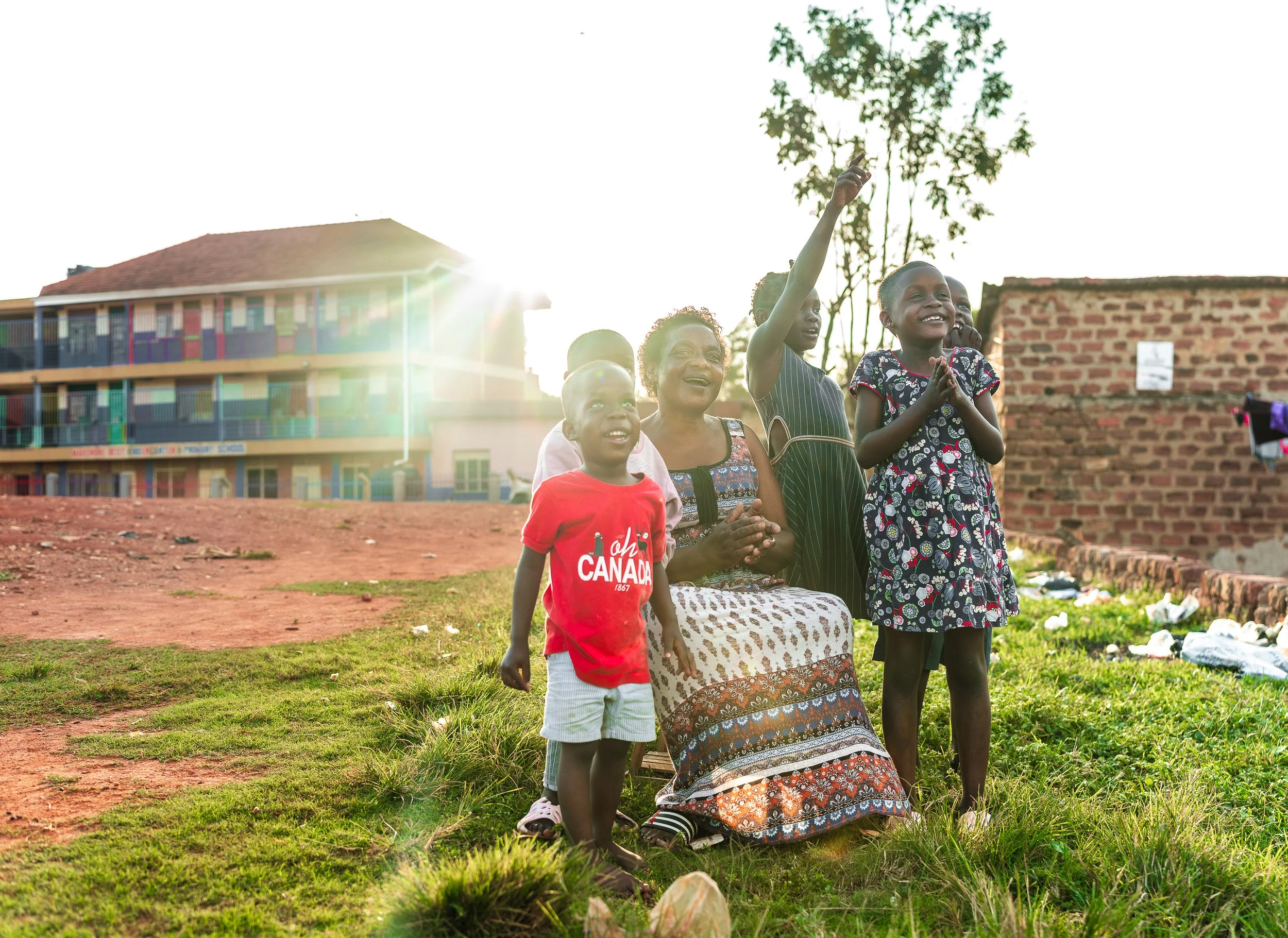
In 2025, Untold began collaborating with Kids Matter, a UK-based organization founded by a clinical psychologist that has developed a peer-led small group curriculum specifically for parents living in material poverty. The curriculum is practical and accessible, built on the belief that every parent already has real strengths to build on — the goal isn't to correct what parents are doing wrong, but to come alongside them with the confidence, skills, and community they need to go deeper in their relationships with their children. We believe it's exactly the kind of resource our clients in East Africa need, and we're committed to making sure it reflects their specific context before we bring it to them.
So before adapting anything, we listened. In partnership with the Kids Matter team, Untold conducted focus groups with parents, staff, and children across three of our communities in Nairobi — asking parents what parenting means to them, where they feel successful, and where they feel stuck, and asking children between the ages of 8 and 17 what makes them feel loved, what they wish were different at home, and what they hope for. What came back was honest and layered and revealed the deep need for an intervention like the one we are partnering with Kids Matter to provide.
Throughout the focus groups, parents spoke with genuine conviction about their role. Women described their primary focus as keeping their children safe, fed, and in school, while men often framed parenting in intergenerational terms — carrying forward family values and fulfilling what many called a God-given duty. Both groups spoke warmly about the bonds they've built with their children and the satisfaction of watching them grow. They also spoke openly about what makes the work so hard: financial instability that never fully goes away, and the particular isolation that comes with living with HIV in communities where stigma still runs deep. For many of these parents, the daily work of keeping a family afloat leaves little room for the slower, more emotional dimensions of parenting — the open-ended conversations, the unhurried presence, the warmth and quality time that often feels like an unaffordable luxury. That crowding-out isn't a sign that love is absent; it's simply what tends to happen when people are carrying too much without enough support.
The children who participated in the focus groups were thoughtful and generous in how they described their parents. They recognize the sacrifice involved in keeping them clothed and in school, and they're genuinely grateful for it. They also named smaller moments as the ones that stay with them — one child simply said, "my mother hugs me when I am sad," as a description of what love looks like at home. At the same time, across every age group, children expressed a longing for more of exactly that kind of connection — more conversations about things that actually matter to them, more warmth that isn't attached to a task, more of a sense that their inner lives are seen and taken seriously. One adolescent captured it plainly: "We are important, we have feelings. They [parents] should not assume children don't understand what's happening."
What the focus groups revealed, when you hold the parents' experience and the children's experience side by side, is not a gap in love but a gap in tools. These families care deeply about each other, but the language and practices that help translate that care into felt emotional connection — the kind children are asking for — are often missing. The adapted Kids Matter curriculum will work directly on that gap, helping parents build emotional vocabulary, develop calmer approaches to discipline and conflict, establish simple shared routines that create a sense of belonging, and tend to their own wellbeing so they have more capacity to give to their children. The program will also take seriously the gendered realities of parenting in the East African context, encouraging fathers into more active daily involvement while acknowledging the disproportionate weight that many mothers often carry.
None of this is about asking parents who are already stretched thin to somehow do more. It's about giving them something they desperately crave — a community of peers who understand what they're navigating, practical skills they can actually use, and the grounding that comes from knowing they're not alone in wanting something better for their families. That desire, to raise children well and to be truly present for them, is one of the most consistent and moving things we encounter in the clients we walk alongside.
Will you pray with us?
This Mother's Day, would you pray for the families in our programs?
Pray for our staff and the Kids Matter team as they contextualize the curriculum together. For wisdom as it's piloted and refined.
Pray for the children — in Kawangware, in Mukuru Kayaba, in Kariobangi, and in your own home — that they would feel the warmth and care that they crave and that they would know the adults around them are paying attention.
Thank you for investing in families around the world this Mother’s Day!
If you are interested in learning more about the focus groups and contextualization process, you can read the full report here.